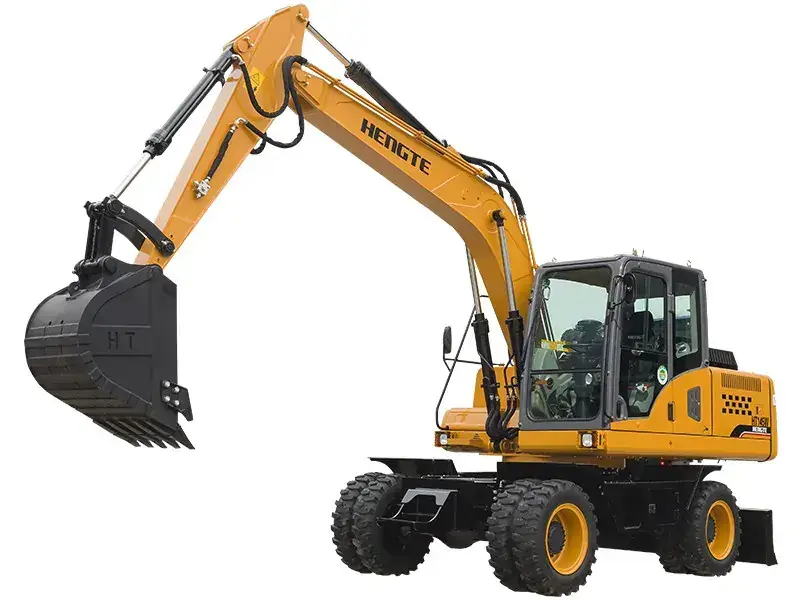
Hunter (Hengte) HT145W
Used Hunter (Hengte) HT145W wheeled excavator — reference specifications, condition points and export notes for this model.
The Hunter (Hengte) HT145W is a fully hydraulic wheeled digging excavator with a 0.53m3 bucket. Its QSB3.9-C125 engine delivers 93kW at 2200rpm, travel speed is 28km/h and maximum dig depth is 4500mm. It suits medium trenching, road works and general construction excavation.
Description is a class-level reference built from the published specifications above; the exact unit's year, hours and condition are confirmed before payment.
Reference specifications
| Bucket capacity | 0.53 |
|---|---|
| Rated power | 93/2200 |
| Engine | QSB3.9-C125 |
| Travel speed | 28 |
| Max dig depth | 4500 |
Buying brief: Hunter (Hengte) HT145W
The Hunter HT145W is a wheeled digging excavator with a bucket capacity of 0.53 m3 and a rated power of 93 kW at 2200 rpm, powered by a QSB3.9-C125 engine. It offers a maximum dig depth of 4500 mm and a travel speed of 28 km/h. This class suits medium-duty excavation, trenching, and site work where road travel between locations is needed. The combination of power and bucket size supports efficient digging in construction, utilities, and landscaping. Buyers looking for a balance between productivity and mobility often consider this size.
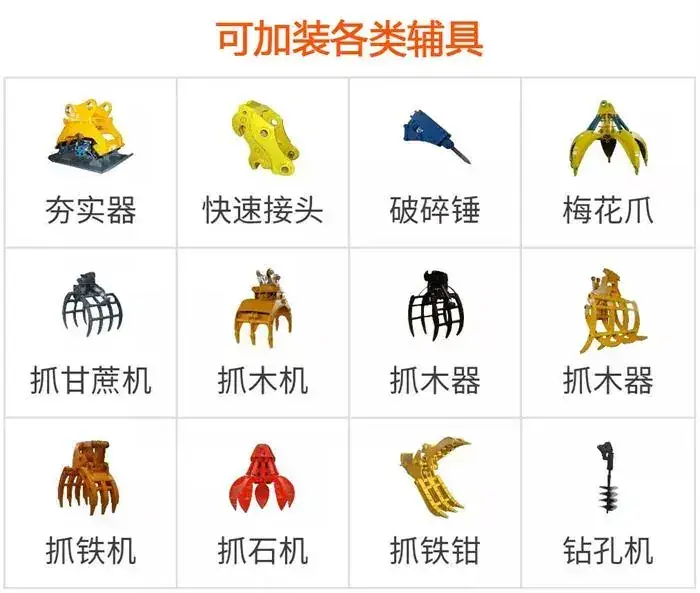
On site, the wheeled undercarriage provides good mobility, and the travel speed of 28 km/h allows quick movement between jobs. Stability is influenced by tyre condition, axle design, and the use of stabilizers if fitted. Buyers should assess tyre wear, steering ease, and the travel lock function. Attachments such as buckets, breakers, or compactors affect balance and hydraulic requirements. The operator should be aware of weight distribution during lifting and swinging, and ensure the machine is on level ground when using heavy attachments.
Inspection before purchase should cover the engine for leaks, smoke, and performance. Test the hydraulics for smooth operation, unusual noise, and cylinder integrity. Check pins and bushes for wear at the boom, arm, and bucket. Examine wheel hubs for leaks or play, and test brakes for effective stopping. Inspect the structural frame for cracks or previous repairs, especially around mounting points.
These checks help verify the condition of a used wheeled excavator and its suitability for the buyer's tasks. Shipping arrangements for this machine typically involve container, flat rack, RoRo, or breakbulk, depending on dimensions and destination port. The unit's weight and size determine whether a container is feasible or if a flat rack or RoRo is more appropriate. Port facilities and route restrictions also play a role. Buyers should obtain exact dimensions and weight from the seller and consult with a freight forwarder to select the most suitable shipping method for the destination.
Common questions
Is a used Hunter (Hengte) HT145W available right now?
What does a used Hunter (Hengte) HT145W cost?
How is a Hunter (Hengte) HT145W shipped from China?
Related reading
How do you inspect a used wheeled excavator?
What does a used wheeled excavator cost?
How are used wheeled excavators shipped from China?
Is there a list of Jonyang wheeled excavator models for export?
Which CASE wheeled excavators can be sourced from China?
What Qitianyang wheeled excavator models do you have?
Which Chinese brands build wheeled excavators?
Who exports used wheeled excavators to South Asia?